

Key Takeaways:
- Metal buildings are ideal for extreme weather because their exceptional strength and durability provide maximum protection against harsh conditions like strong winds, heavy snow, and severe storms.
- By choosing a pre-engineered metal building, you enjoy long-term durability and reduced maintenance costs, giving you peace of mind while safeguarding your investment.
- Customizable to your specific needs, metal buildings ensure your structure is resilient and built to withstand your area's unique extreme weather conditions.
Unfortunately, extreme weather is no longer a rare event.
Instead, it's something many of us face regularly.
Building owners are increasingly concerned about how their structures hold up against severe weather conditions.
The need for dependable protection from things like heavy rain and strong winds to heavy snowfalls is greater than ever.
That's where pre-engineered metal buildings come in.
These metal structures are designed to withstand harsh weather, providing strength and durability when needed most.
Below, we'll explore why metal buildings are a safe and sturdy option for those looking to protect their investments against nature's toughest challenges.
Table Of Contents
- The Inherent Strength of Metal Buildings
- Wind Resistance
- Snow Load Handling
- Resistance to Water and Moisture
- Temperature Fluctuations and Fire Resistance
- Customization for Extreme Conditions
- Long-Term Durability and Cost Savings
- Metal Buildings: The Smart Choice for Extreme Weather
The Inherent Strength of Metal Buildings
When it comes to structural integrity, steel buildings stand head and shoulders above wooden structures.
The inherent strength of steel gives metal buildings an advantage in withstanding extreme weather conditions.
Despite being lighter in weight compared to traditional building materials, metal structures don't compromise on durability.
In fact, the high strength-to-weight ratio of steel means it can handle heavy loads and fierce winds without faltering.
Pre-engineered metal buildings use durable materials like fire-resistant steel frames and ductile components that add extra strength.
These materials make the building robust and provide reliable protection against natural disasters and harsh weather conditions.
Using fire-resistant materials reduces the risk of fires, making metal buildings a safer option for building owners.
The combination of lighter weight and exceptional strength allows metal buildings to endure heavy snow loads, strong winds, and even seismic activity.
Steel's tensile strength and flexibility mean it can absorb intense pressure without sustaining structural damage.
This makes metal buildings some of the strongest structures available, offering long-term durability and a sense of reassurance for those facing unpredictable weather.
Wind Resistance
Strong winds are a significant concern for building owners, especially in areas prone to severe weather.
Metal buildings are designed to withstand fierce winds reaching high speeds, even hundreds of miles per hour.
The ductile materials and powerful structural components protect against destructive winds.
STEVENS pre-engineered metal buildings will always comply with strict building codes and wind certification requirements.
Our structural engineers ensure each building meets the highest standards for wind resistance.
This includes considering factors like building height, geometric shape, and the use of strong materials to withstand intense pressure.
During natural disasters like hurricanes and tornadoes, metal buildings have suffered minimal damage compared to traditional structures.
For example, when Hurricane Michael hit Florida in 2018 with winds exceeding 155 miles per hour, many pre-engineered metal buildings remained standing while surrounding structures were destroyed.
Their ability to flex without breaking makes them resilient structures with maximum damage protection.
Snow Load Handling
Heavy snowfalls and harsh winter conditions can threaten buildings.
That's why roof design is so important.
Metal buildings use smart elements like roof pitch, roof shape, and slanted roofs to manage heavy snow loads effectively.
A steep roof pitch allows snow to slide off easily, reducing snow accumulation and the load that could cause structural damage.
Pre-engineered metal buildings always meet or exceed snow load requirements set by strict building codes.
Building engineers consider factors like average snowfall and extreme weather conditions to ensure the structural integrity of the metal structure.
Strong building materials like steel frames and ductile components add additional strength to handle heavy snow, contributing to long-term durability.
Features like metal roofs and specialized roof accessories prevent snow from piling up.
This protects the building from potential damage and gives building owners peace of mind during severe weather.
With exceptional strength and smart design, metal buildings offer reliable weather resistance, making them safer in areas prone to severe winter weather.
Resistance To Water And Moisture
Metal buildings excel in water resistance, solidifying them as a smart building material for areas prone to heavy rain and inclement weather.
The properties of metal prevent water penetration, reducing the risk of water damage that often plagues wooden structures.
The steel frames used in these structures are less susceptible to moisture-related problems, ensuring long-term durability.
Metal roofs and wall panels are designed to repel water, minimizing moisture-related problems like mold and mildew.
Metal buildings can also be equipped with adequate drainage systems, including gutters and downspouts, to channel water away from the structure.
This prevents water infiltration and protects the concrete foundations from potential damage.
Roof accessories like overhangs and drip edges add an extra layer of protection against water accumulation.
Compared to other building materials, metal offers reliable protection against moisture, and building owners benefit from minimal maintenance and fewer repairs due to water damage.
Temperature Fluctuations And Fire Resistance
Metal buildings also excel at handling extreme temperatures and temperature fluctuations.
Unlike wooden structures, steel buildings don't warp or crack when indoor temperatures change rapidly.
The properties of metal allow it to expand and contract without causing structural damage, which is a big advantage over concrete or wood.
This means the structural integrity of the entire structure stays intact, even during harsh weather conditions.
When it comes to fire resistance, metal buildings are a much safer option. Steel frames and metal support beams are fire-resistant materials that can withstand intense heat.
This is a vital element for building owners in areas prone to forest fires or extreme temperatures.
Using non-combustible construction materials reduces the risk of spreading fires, keeping your business and the structures around you safe.
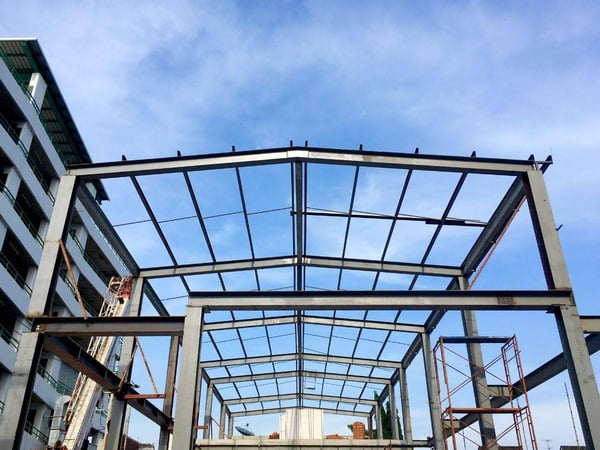
Customization For Extreme Conditions
Pre-engineered metal buildings can also be customized for the extreme weather conditions of your local area.
Building engineers can customize metal buildings to meet challenges like strong winds, heavy snow, or seismic activity.
Tailored designs ensure the metal structure withstands unpredictable weather and provides reliable protection.
Customization options include:
- Adjusting the building design and size to suit specific needs enhances stability and strength.
- Reinforced structural elements like heavier steel frames and additional support beams add extra durability.
- Diagonal supports and bracing systems improve resistance against strong winds and seismic activity.
- Customized roof designs, such as steeper roof pitches or slanted roofs, prevent snow accumulation and manage heavy snow loads.
- Upgraded foundation systems provide better anchoring in areas prone to earthquakes and high wind speeds.
- Advanced insulation and ventilation handle extreme temperatures and temperature fluctuations.
- Protective coatings and finishes that offer additional resistance to corrosion, moisture, and fire.
- Lightning protection systems protect buildings in areas with frequent severe storms.
- Enhanced drainage solutions like oversized gutters and downspouts manage heavy rain effectively.
Compliance with rigid industry standards and strict building codes ensures that the structural components meet the task.
Long-Term Durability And Cost Savings
As you can see, metal buildings offer structural durability that other building materials just can't match.
The inherent strength of steel structures makes them among the strongest buildings available.
They can withstand extreme weather conditions like severe storms, heavy rain, strong winds, and heavy snowfalls without sustaining structural damage.
Steel frames and metal support beams resist moisture-related problems, water damage, and pests.
This means they require less maintenance than wooden structures and other traditional buildings.
This reduced maintenance translates to cost savings for business owners over time, as they spend less on repairs and upkeep.
Metal Buildings: The Smart Choice for Extreme Weather
Pre-engineered metal buildings protect against nature's toughest challenges.
Their inherent strength gives them exceptional wind resistance, standing firm against fierce winds and extreme weather events.
Smart roof designs handle heavy snow loads, preventing snow accumulation and reducing the risk of structural damage.
Metal buildings are also safer in areas prone to forest fires and extreme temperatures.
If you're looking for a structure that combines strength, flexibility, and reliable protection against harsh weather conditions, metal buildings are the way to go.
At STEVENS Engineers and Constructors, we specialize in custom pre-engineered metal buildings designed to meet strict industry standards.
Contact our team today to learn how we can help you build a resilient structure that stands the test of extreme weather.

People Also Ask
Can a metal building withstand a tornado?
While no building is entirely tornado-proof, a well-designed metal building can withstand certain levels of tornado winds. By meeting strict building codes and incorporating wind-resistant features, metal buildings offer enhanced protection compared to some traditional structures.
How much wind can a metal building withstand?
A metal building can be engineered to withstand wind speeds ranging from 90 to over 170 miles per hour, depending on local building codes and specific design requirements. Metal buildings provide strong wind resistance by customizing the building's structural components.
Can a metal building withstand a hurricane?
A metal building can withstand a hurricane when specifically designed to meet or exceed hurricane wind load requirements. Engineered for high-wind zones, metal buildings offer reliable protection against the intense winds and flying debris of hurricanes.
Are metal buildings safe in thunderstorms?
Metal buildings are safe in thunderstorms because they are designed to handle severe weather conditions. With proper grounding, metal buildings safely conduct lightning into the ground, and their sturdy construction resists heavy rain and strong winds.